
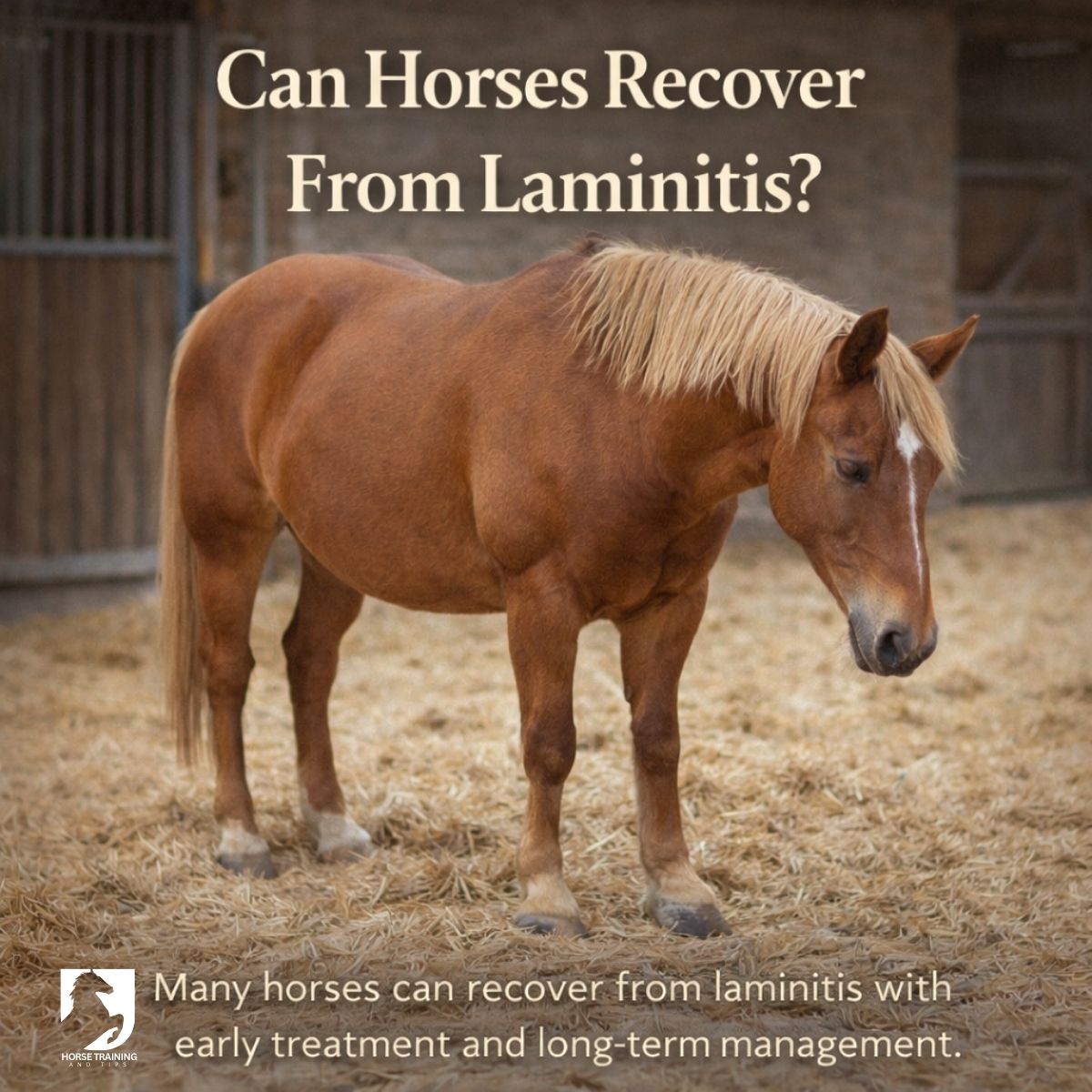
Laminitis is one of the most frightening conditions a horse owner can encounter. The pain can be severe, the progression unpredictable, and the long-term consequences potentially life-changing. Once the immediate crisis is under control, most owners are left with a difficult and emotionally loaded question: can horses fully recover from laminitis, or is the damage permanent?
The honest answer is that laminitis recovery exists on a spectrum. Some horses recover completely and return to normal work and turnout with minimal restrictions. Others recover only partially and require lifelong management to remain comfortable. In severe cases, laminitis can cause permanent damage that prevents a horse from returning to its previous lifestyle.
Understanding what recovery truly means, what influences the outcome, and what realistic expectations look like is essential for making informed, compassionate decisions. This article explains whether full recovery from laminitis is possible, what factors affect prognosis, and what owners should expect during both short-term and long-term recovery.
This article supports our main guide:
Laminitis in Horses: A Practical Guide for Everyday Owners
What Does “Full Recovery” From Laminitis Actually Mean?
Before discussing whether horses can fully recover, it is important to define what “full recovery” means in practical terms. Recovery does not look the same for every horse, and expectations must be realistic.
For some horses, full recovery means:
- returning to previous levels of work
- moving comfortably on varied surfaces
- requiring minimal long-term restrictions
For other horses, recovery may mean:
- remaining comfortable only with careful management
- avoiding certain activities such as hard ground work
- living as a companion or light-use horse
A horse can still be considered recovered if it is pain-free, comfortable in daily life, and stable, even if ongoing management is required. Recovery is about quality of life, not just athletic performance.
How Laminitis Causes Long-Term Damage
Laminitis affects the laminae, which are tiny but critical structures that suspend the pedal bone inside the hoof capsule. These laminae rely on healthy blood flow, controlled inflammation, and mechanical stability.
When laminitis occurs:
- inflammation weakens the laminae
- blood flow may be disrupted
- the pedal bone may begin to shift
If the laminae lose their ability to support the pedal bone, rotation or sinking can occur. Once structural damage develops, recovery becomes more complex and prolonged.
This is why laminitis is treated differently from other lameness issues — damage can continue internally even when the horse appears still. Supporting article : what causes laminitis in horses
Factors That Determine Whether a Horse Can Fully Recover
Several key factors influence whether a horse can fully recover from laminitis. These factors often interact, meaning that no single element determines the outcome.
1. How Early the Laminitis Was Recognised and Managed
Early intervention is one of the strongest predictors of recovery.
Horses that:
- had movement restricted immediately
- were removed from grass at the first signs
- received prompt veterinary assessment
generally have a far better prognosis than those where signs were missed or dismissed.
Laminitis causes progressive internal damage. The earlier that process is interrupted, the greater the chance of recovery without permanent injury.
If you’re unsure what steps to take in the early stages, here’s a practical checklist on what to do if you suspect laminitis while waiting for the vet.
2. Severity of Laminar and Pedal Bone Damage
Not all laminitis cases involve the same degree of internal damage.
Mild cases may involve:
- inflammation without structural change
Moderate cases may involve:
- mild pedal bone rotation
Severe cases may involve:
- significant rotation
- sinking of the pedal bone
- permanent distortion of the hoof capsule
Horses with minimal structural damage are far more likely to recover fully than those with significant displacement.
3. The Horse’s Metabolic and Hormonal Health
Underlying health conditions play a major role in laminitis recovery.
Horses with:
- insulin resistance
- Equine Metabolic Syndrome (EMS)
- PPID (Cushing’s disease)
are more prone to both initial laminitis and recurrence. These horses often require lifelong dietary and management adjustments to remain comfortable.
Recovery is still possible, but long-term vigilance becomes essential.
Can Horses Fully Recover From Mild Laminitis?
Yes — many horses with mild or early-stage laminitis recover extremely well.
In these cases:
- inflammation is controlled quickly
- laminae remain structurally intact
- hoof growth continues normally
With appropriate management, these horses may return to normal turnout, work, and daily routines. However, even after apparent recovery, risk factors must continue to be managed to prevent recurrence.
Recovery After Moderate Laminitis
Moderate laminitis requires more intensive management and longer recovery periods.
These horses may need:
- extended box rest or restricted movement
- corrective trimming or shoeing
- frequent veterinary and farrier reviews
Recovery may take months rather than weeks. Some horses return to work with careful management, while others remain comfortable only in lighter roles.
Recovery After Severe Laminitis
Severe laminitis presents the greatest challenge.
Horses with significant pedal bone displacement may experience:
- prolonged pain
- slow hoof growth
- chronic hoof distortion
Recovery in these cases focuses on:
- comfort
- stability
- quality of life
Some horses do achieve long-term comfort, but expectations must be realistic, and recovery can take many months or longer.
The Role of Hoof Care in Long-Term Recovery
Hoof care is central to laminitis recovery and long-term management.
Correct hoof care aims to:
- support the pedal bone
- reduce pressure on damaged laminae
- encourage healthy hoof growth
This may involve:
- frequent trimming
- corrective shoeing
- hoof boots for additional support
Close collaboration between vet and farrier significantly improves outcomes.
Diet and Weight Management During Recovery
Dietary management is one of the most important factors in both recovery and prevention of recurrence.
Key principles include:
- strict control of sugar and starch intake
- careful forage selection
- controlled weight management
For many horses, dietary vigilance remains necessary even after recovery to prevent future laminitis episodes.
Exercise and Returning to Work After Laminitis
Exercise must be reintroduced gradually and cautiously.
Before returning to work:
- the horse should be comfortable at rest
- movement should be pain-free
- hoof structures should be stable
Rushing exercise increases the risk of relapse or further damage.
Can Laminitis Recur After Recovery?
Yes — laminitis can recur, particularly if underlying risk factors remain unmanaged.
Common triggers include:
- unrestricted grazing
- weight gain
- unmanaged metabolic conditions
- sudden dietary changes
Recovery is not just about healing the current episode, but about long-term prevention.
For a full overview of symptoms, causes, management and prevention, see our main guide: Laminitis in Horses: A Practical Guide for Everyday Owners.
Emotional Impact of Laminitis Recovery on Owners
Laminitis recovery is emotionally demanding.
Owners often experience:
- guilt
- anxiety about relapse
- fear of making mistakes
These feelings are normal. Laminitis is complex, and recovery often involves learning and adaptation over time.
Quality of Life After Laminitis
For some horses, recovery does not mean returning to previous athletic goals.
However, many horses:
- live comfortable, pain-free lives
- enjoy turnout under controlled conditions
- remain active in appropriate ways
Quality of life is a valid and meaningful measure of recovery.
When Full Recovery May Not Be Possible
In some cases, laminitis causes damage so severe that full recovery is unlikely.
Indicators of a poor prognosis may include:
- severe or progressive pedal bone sinking
- ongoing pain despite management
- repeated relapses
In these situations, decisions should prioritise the horse’s welfare and comfort, guided by veterinary advice.
If you’re unsure whether the situation is urgent, this guide explains when laminitis is an emergency and when to call the vet.
From One Horse Person to Another
Laminitis does not automatically mean the end of a horse’s comfort or usefulness.
Many horses do recover — some fully, others with adjustments that allow them to live pain-free and content lives.
Early action, realistic expectations, and consistent long-term management give horses the best possible chance of recovery.