
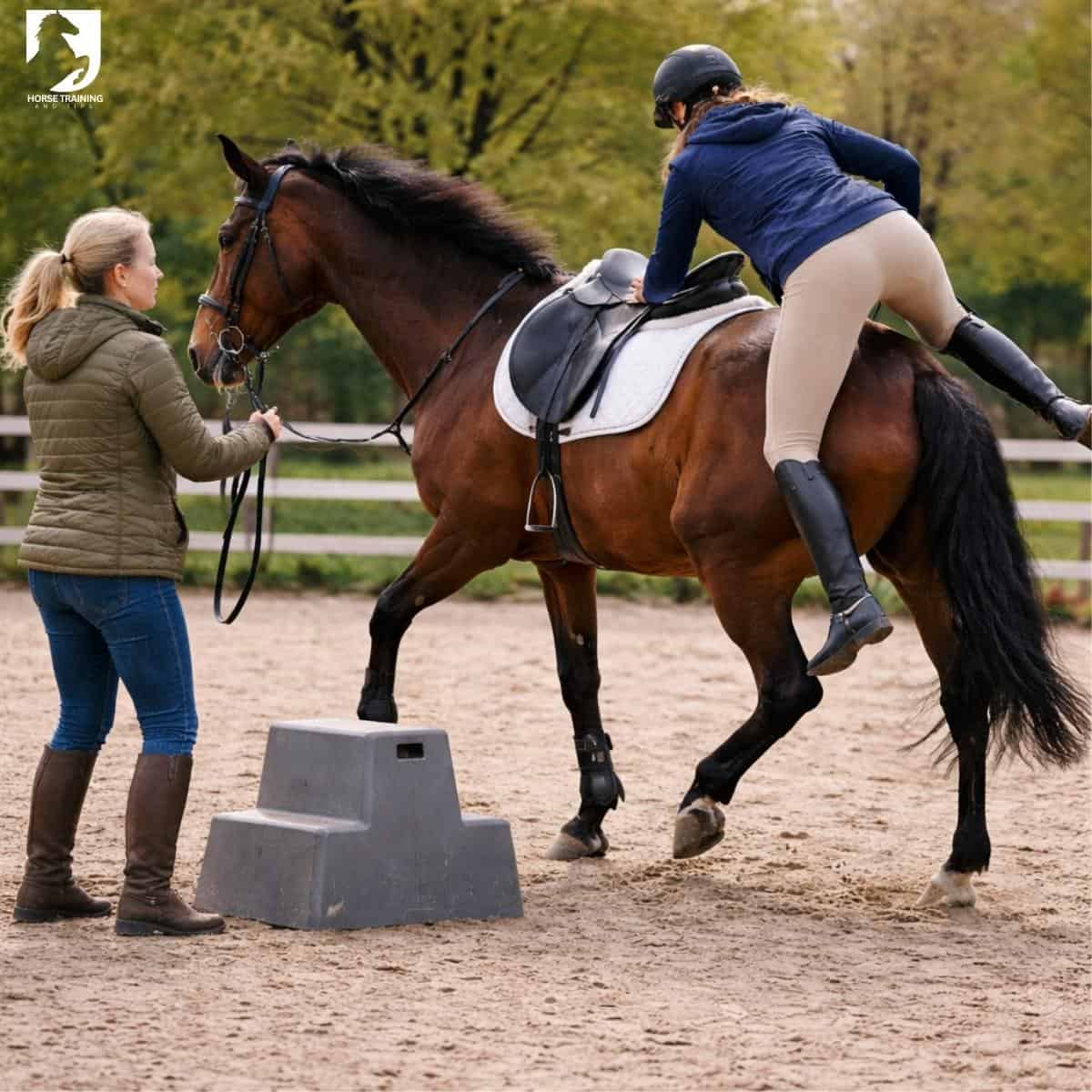
A Common Problem Many Owners Struggle With
A horse that won’t stand still for mounting is one of the most frustrating — and common — problems riders face. Whether your horse walks off, fidgets, swings away, or refuses to line up at the mounting block, the issue can quickly turn something simple into a daily battle.
The good news is that this behaviour is rarely stubbornness or bad manners. In most cases, a horse that won’t stand still for mounting is reacting to discomfort, confusion, habit, or rider inconsistency.
This guide explains why horses move when mounting, how to identify the root cause, and how to fix the problem calmly and safely.
Written by a horse person, for horse people, this advice applies to real yards and real horses — not perfect textbook scenarios.
Why Standing Still for Mounting Matters
Mounting is one of the most vulnerable moments for both horse and rider.
If a horse moves while you’re mounting, it can:
- Pull on the saddle and back
- Unbalance the rider
- Cause discomfort or pain
- Increase risk of falls
Teaching a horse to stand quietly isn’t just about manners — it’s about safety, comfort, and trust.
The Most Important Thing to Understand First
Before trying to “train” the behaviour away, it’s essential to understand why the horse is moving.
A horse that walks off during mounting is usually saying one of three things:
- This is uncomfortable
- I don’t understand what you want
- I’ve learned I can move away
Fixing the issue depends on identifying which one applies.
Common Reasons a Horse Won’t Stand Still for Mounting
1. Saddle Fit Issues
Poor saddle fit is one of the most common causes of mounting problems.
A badly fitting saddle can:
- Pinch the withers
- Dig into the shoulders
- Pull unevenly when weight is added
Mounting puts asymmetrical pressure on the saddle, which can cause discomfort even if the saddle seems fine once you’re riding.
👉 Supporting article: Does saddle fit affect mounting behaviour?
2. Back Pain or Physical Discomfort
Horses may associate mounting with pain due to:
- Back soreness
- Muscle tension
- Previous injury
- Dental or body discomfort affecting posture
If the behaviour appeared suddenly, pain should always be ruled out first.
👉 Supporting article: Is pain causing mounting problems in horses?
3. Poor Mounting Habits (Learned Behaviour)
Many horses move simply because they’ve learned they can.
This often happens when:
- Riders mount while the horse is still moving
- No clear “stand” cue is taught
- Inconsistency between handlers
Over time, the horse learns that standing still is optional.
4. Rider Balance and Technique
Unbalanced mounting can pull the saddle to one side and cause discomfort.
Common issues include:
- Pulling on the reins
- Heavy pressure on the stirrup
- Mounting from the ground repeatedly
This can make even a comfortable horse fidget.
5. Anxiety or Anticipation
Some horses associate mounting with:
- Hard work
- Discomfort
- Stressful schooling sessions
They may move away in anticipation, not defiance.
Why Punishing the Behaviour Makes It Worse
Correcting mounting problems with:
- Smacking
- Shouting
- Yanking the reins
often increases tension and resistance.
Horses learn best through clarity, consistency, and comfort, not force.
Step-by-Step: How to Teach a Horse to Stand Still for Mounting
Step 1: Rule Out Pain First
Before training, ensure:
- Saddle fit is checked
- Teeth and back are comfortable
- No obvious soreness is present
Never train through pain.
Step 2: Use a Mounting Block
A mounting block:
- Reduces strain on the horse’s back
- Improves rider balance
- Makes standing still easier
Using a block should be standard practice, not optional.
👉 Supporting article: How to use a mounting block correctly
Step 3: Break Mounting Into Stages
Teach standing still separately from riding.
Reward the horse for:
- Standing next to the block
- Standing while weight is placed in the stirrup
- Standing while the rider pauses before mounting
Progress slowly and calmly.
Step 4: Reward the Stand, Not the Walk-Off
Only mount when the horse is:
- Standing square
- Relaxed
- Still
If the horse moves, calmly reposition and try again.
How Long Does It Take to Fix?
For most horses:
- Small improvements appear quickly
- Full reliability may take weeks
- Consistency matters more than speed
Rushing creates confusion — patience builds understanding.
When to Ask for Professional Help
Seek help if:
- The horse shows pain signs
- Behaviour worsens
- You feel unsafe
A qualified instructor, saddle fitter, or bodyworker can often identify issues quickly.
Horse Won’t Stand Still for Mounting
A horse that won’t stand still for mounting is communicating something important. Listening, investigating, and responding calmly leads to far better results than force.
With the right approach, most horses can learn to stand quietly and confidently for mounting — improving safety, comfort, and trust for both horse and rider.