
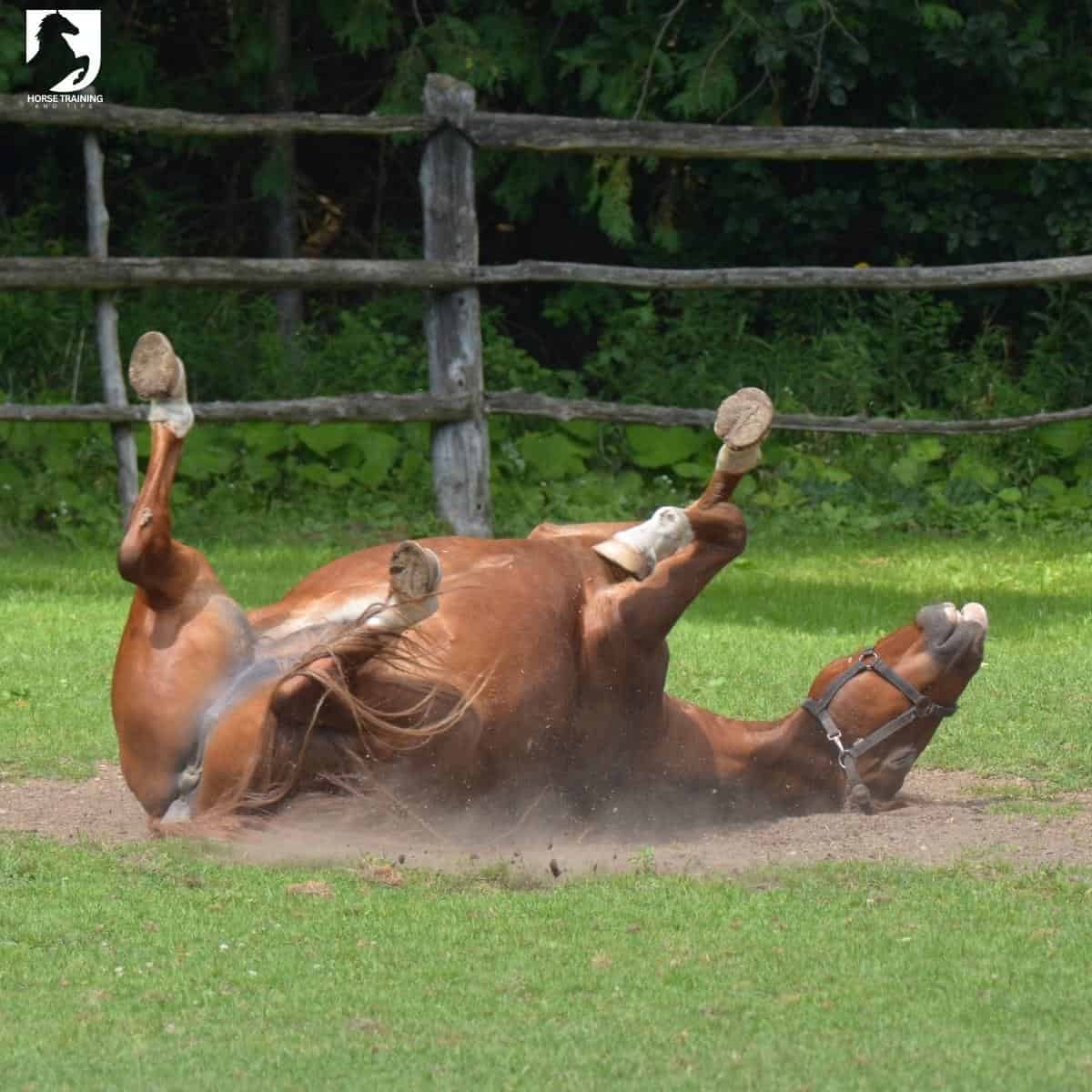
Colic is one of the most common and worrying health issues horse owners face. The word “colic” simply means abdominal pain, but the causes, severity, and outcomes can vary hugely.
This guide is the main colic reference on HorseTrainingAndTips.com. It explains what colic is, how to recognise early warning signs, what causes it, what to do while waiting for the vet, when it becomes an emergency, and how to reduce the risk as much as possible through everyday management.
If you are new to horses or have never dealt with colic before, start here. Throughout this guide, you’ll find links to more detailed articles that expand on specific parts of colic care.
What Is Colic in Horses?
Colic in horses refers to pain originating from the digestive system. Unlike humans, horses cannot vomit, and their digestive tract is long, complex, and sensitive to changes in routine.
Because of this, even small disruptions — such as a sudden feed change, reduced water intake, stress, or lack of movement — can trigger digestive discomfort. In some cases, this discomfort remains mild. In others, it can escalate rapidly into a medical emergency.
Colic is not a single disease. It is a symptom with many possible underlying causes, which is why recognising early signs and responding appropriately is so important.
Colic Topics Covered in This Guide
This page acts as a central hub for understanding colic in horses. If you need deeper guidance on a specific aspect, the articles below go into more detail.
- Signs of Colic in Horses (Early, Moderate, and Severe)
- What Causes Colic in Horses?
- What to Do While Waiting for the Vet
- When Is Colic an Emergency?
Each of these articles builds on the foundation explained in this guide.
Recognising Early Signs of Colic
Early signs of colic are often subtle, which is why they are sometimes missed. A horse does not need to be violently rolling to be in pain.
Common early signs include:
- Restlessness or uneasiness
- Pawing at the ground
- Looking at or biting the flank
- Lying down more than usual
- Reduced appetite or slow eating
- Changes in droppings
- Dull or withdrawn behaviour
Horses express pain differently. Some become quiet and depressed, while others show more obvious discomfort. Knowing your horse’s normal behaviour is one of the most valuable tools you have as an owner.
For a detailed breakdown of mild, moderate, and severe signs, see: Signs of Colic in Horses . and full guide to colic symptoms
Common Causes of Colic in Horses
Colic rarely happens without reason. In many cases, it is linked to everyday management factors rather than sudden illness.
Common causes include:
- Sudden changes in feed or forage
- Inadequate water intake
- Poor-quality or mouldy forage
- Lack of turnout or movement
- Stress (travel, new environment, herd changes)
- Dental problems affecting chewing
- Parasite burden
Digestive upsets often occur when several small factors combine. For example, a horse that drinks less in cold weather and is fed dry hay may be more prone to impaction colic.
A full explanation of triggers and risk factors can be found here: What Causes Colic in Horses? .
What to Do While Waiting for the Vet
If you suspect colic, contacting your vet early is always the safest option. While waiting for professional help, there are practical steps you can take to keep your horse as comfortable and safe as possible.
Key actions include:
- Remove all feed
- Allow access to water unless advised otherwise
- Keep the horse in a safe, quiet area
- Monitor behaviour and vital signs if you can do so safely
- Prevent violent rolling if necessary
Remaining calm helps your horse stay calmer too. Avoid giving medication unless specifically instructed by your vet.
For step-by-step guidance, read: What to Do While Waiting for the Vet .
When Is Colic an Emergency?
Some colic cases escalate quickly and require immediate veterinary attention. Knowing the difference between mild discomfort and an emergency can save valuable time.
Emergency signs include:
- Violent or repeated rolling
- Excessive sweating
- Rapid heart rate
- Laboured breathing
- No response to pain relief
- Signs of shock
If you are unsure, always err on the side of caution. It is better to call the vet early than to wait too long.
For clear emergency guidance, see: When Is Colic an Emergency? .
Reducing the Risk of Colic
Not all colic can be prevented, but good management significantly reduces risk. Consistency is one of the most important protective factors.
Helpful prevention strategies include:
- Keeping feeding routines consistent
- Making diet changes gradually
- Ensuring constant access to clean water
- Providing regular turnout or movement
- Maintaining dental and worming schedules
- Monitoring droppings and appetite daily
Small daily observations often catch problems before they become serious.
From One Horse Person to Another
Colic is stressful, frightening, and often unpredictable. Understanding the signs, knowing when to act, and maintaining good routines gives you the best chance of protecting your horse’s health.
Use this guide as your starting point, and return to the linked articles whenever you need more detailed help.