
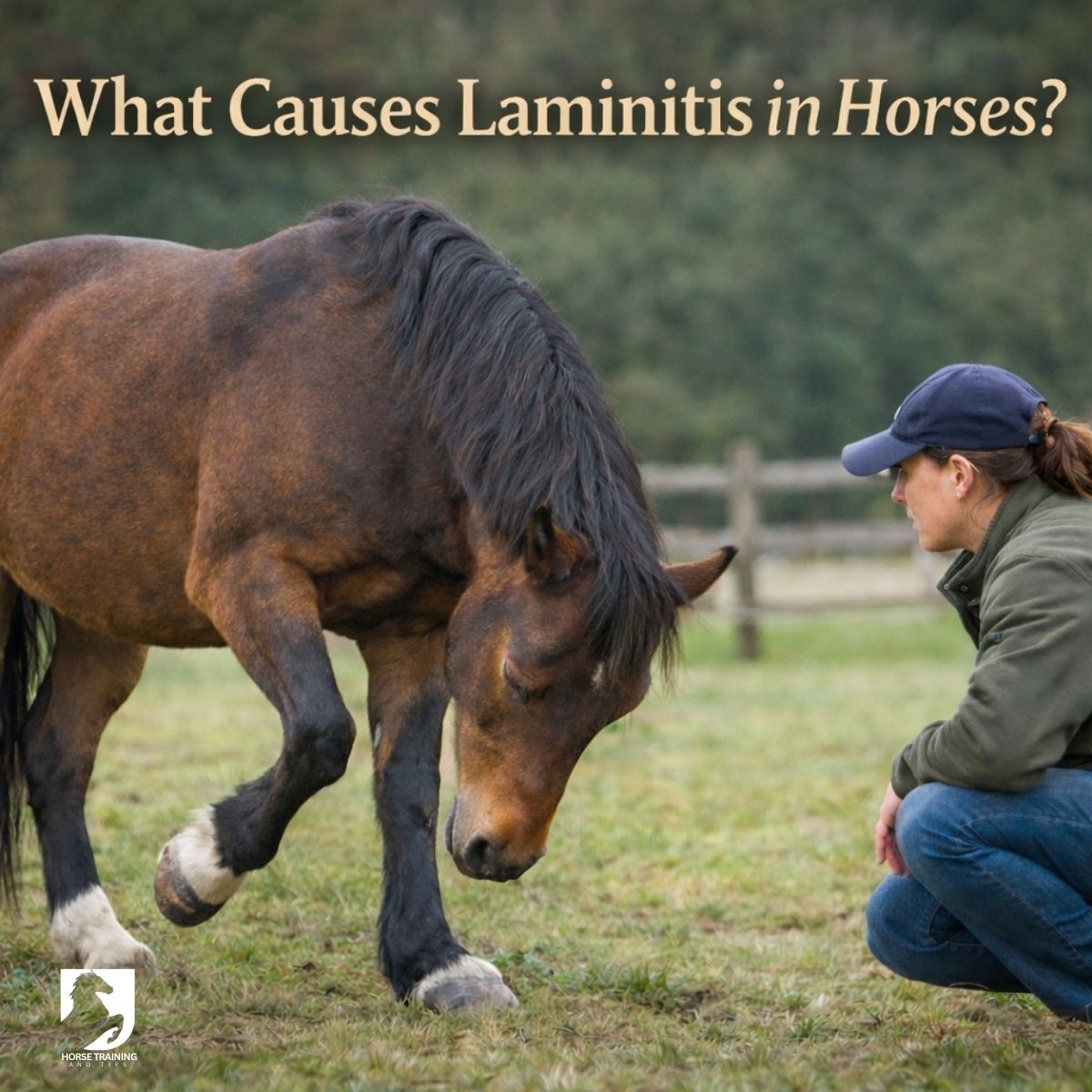
What Causes Laminitis in Horses? A Clear Explanation for Horse Owners
Laminitis is one of the most feared conditions among horse owners, and for good reason. It is painful, potentially life-changing, and in severe cases can be life-threatening. Despite this, many owners are still unsure why laminitis develops or what actually causes it.
Although the pain is felt in the hooves, laminitis is rarely caused by a problem in the feet alone. In most cases, it begins with metabolic, dietary, inflammatory, or management-related stress that affects the horse internally before the hooves become involved.
Understanding what causes laminitis is essential for prevention, early recognition, and long-term management. This article explains the most common laminitis triggers, how they affect the horse’s body, and why some horses are more vulnerable than others.
This article supports our main guide:
Laminitis in Horses: A Practical Guide for Everyday Owners
Laminitis Is a Whole-Body Condition, Not Just a Hoof Problem
While laminitis damages the laminae inside the hoof, the condition almost always begins elsewhere in the body.
The laminae are tiny but vital structures that attach the pedal bone to the inside of the hoof wall. They rely on:
- stable blood flow
- healthy circulation
- controlled inflammation
- balanced hormonal signals
When something disrupts these systems, the laminae can weaken or become inflamed. As they lose strength, the pedal bone may shift or rotate, causing pain and instability within the hoof.
This is why laminitis is now widely recognised as a systemic condition with hoof-based consequences, rather than a simple foot injury.
Excess Sugar Intake From Grass
One of the most common causes of laminitis is excess sugar intake, particularly from grazing.
Grass contains non-structural carbohydrates (NSCs), which include sugars and starches. These sugar levels are not constant and can rise sharply depending on growing conditions.
High-risk periods include:
- spring grass growth
- sunny days followed by cold nights
- drought-stressed grass
- autumn regrowth
When sugar levels are high, horses may consume more NSCs than their bodies can safely process. This can trigger metabolic stress, insulin spikes, and inflammatory responses that reduce blood flow to the laminae.
Ponies, native breeds, and good-doers are especially vulnerable, but any horse can be affected if exposure is high enough.
If you suspect your horse is sore or at risk, here’s a calm checklist of what to do if you suspect laminitis while waiting for the vet.
Obesity and Long-Term Weight Gain
Excess body weight significantly increases the risk of laminitis.
Overweight horses are more likely to:
- develop insulin resistance
- experience chronic low-grade inflammation
- place increased mechanical load on their hooves
Fat tissue is not just stored energy — it is metabolically active. In horses carrying excess weight, fat cells release inflammatory substances that increase laminitis risk even before obvious symptoms appear.
Importantly, laminitis is not limited to visibly obese horses. Some horses appear normal but carry fat internally or show subtle fat deposits along the crest, shoulders, or tail head.
Managing body condition is therefore one of the most effective long-term strategies for reducing laminitis risk.
Insulin Resistance and Metabolic Disorders
Metabolic dysfunction is one of the leading causes of laminitis.
Conditions such as:
- insulin resistance
- Equine Metabolic Syndrome (EMS)
affect how the horse processes sugar and regulates insulin levels.
In these horses, even small increases in dietary sugar can lead to exaggerated insulin responses. High insulin levels are strongly linked to laminar damage, even in the absence of obvious dietary excess.
Horses with metabolic conditions may develop laminitis:
- without lush grass
- without sudden diet changes
- without obvious triggers
These cases often confuse owners, but they highlight the importance of veterinary diagnosis and long-term metabolic management.
Sudden Dietary Changes and Digestive Upset
Rapid changes in diet are another recognised cause of laminitis.
Common triggers include:
- sudden turnout onto rich pasture
- large or increased hard-feed meals
- abrupt changes in hay type or supplier
- accidental access to feed rooms
The horse’s digestive system depends on a stable population of gut bacteria. Sudden changes can disrupt this balance, leading to hindgut fermentation, toxin release, and inflammation.
These toxins can enter the bloodstream and interfere with circulation in the hooves, increasing laminitis risk.
Gradual dietary transitions allow the gut time to adapt and significantly reduce this risk.
Illness, Infection, and Inflammatory Conditions
Laminitis can develop as a secondary condition following illness or infection.
Triggers may include:
- severe infections
- retained placenta in broodmares
- colic
- severe systemic inflammation
In these cases, inflammatory mediators and toxins circulate through the bloodstream, affecting blood flow to the laminae.
This form of laminitis often develops quickly and can be severe, requiring urgent veterinary treatment.
If you’re unsure how urgent your situation is, this explains when laminitis is an emergency and when to call the vet.
Stress and Hormonal Imbalance
Stress places strain on the horse’s body and can contribute to laminitis risk.
Stressors include:
- transport
- pain from another injury
- sudden routine changes
- environmental or social stress
Hormonal disorders, particularly in older horses, are also closely linked to laminitis. PPID (Cushing’s disease) is a common example and often presents with recurrent laminitis episodes.
Stress and hormonal imbalance can increase susceptibility even when diet and weight appear well controlled.
Mechanical Overload and Weight Redistribution
Although less common, laminitis can also be caused by mechanical stress.
This may occur when:
- a horse overloads one limb due to injury in another
- hoof balance is poor
- prolonged work occurs on hard ground
This type of laminitis highlights the importance of correct farriery, early lameness management, and balanced movement.
Why Some Horses Develop Laminitis and Others Do Not
Not all horses exposed to risk factors will develop laminitis.
Susceptibility depends on:
- genetics and breed
- age
- metabolic health
- body condition
- long-term management
Two horses grazing the same field may respond very differently because their bodies handle sugar and inflammation differently.
Understanding your individual horse’s risk profile is key to prevention.
And if you’re worried about the long-term outlook, this guide covers whether horses can fully recover from laminitis and what recovery typically involves.
Can Laminitis Be Caused by Multiple Factors at Once?
Yes — and this is extremely common.
Laminitis often develops when several moderate risk factors combine, such as:
- slight weight gain
- spring grass
- reduced exercise
- mild stress
Individually, these factors may not cause laminitis, but together they increase risk significantly.
This is why laminitis prevention focuses on consistent management rather than avoiding one single trigger.
From One Horse Person to Another
Laminitis is rarely caused by one mistake or one bad decision.
In most cases, it develops gradually as risk factors build up over time.
By understanding what causes laminitis, you give yourself the knowledge to reduce risk, spot problems earlier, and make calm, informed decisions that protect your horse’s long-term comfort and soundness.